Movement first, football second
Why our youngest players spend more time falling over than doing drills, and why that's the point.
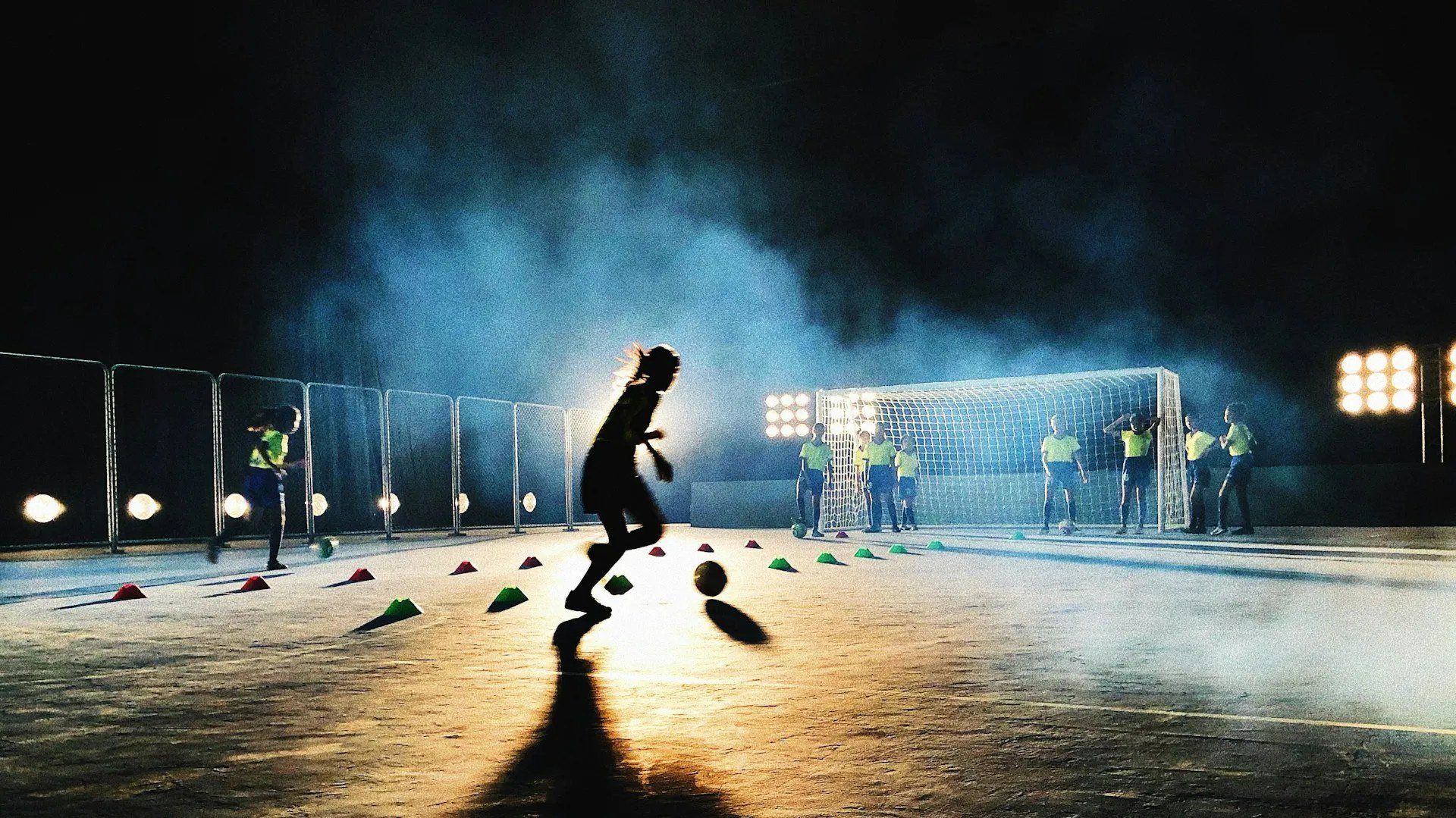
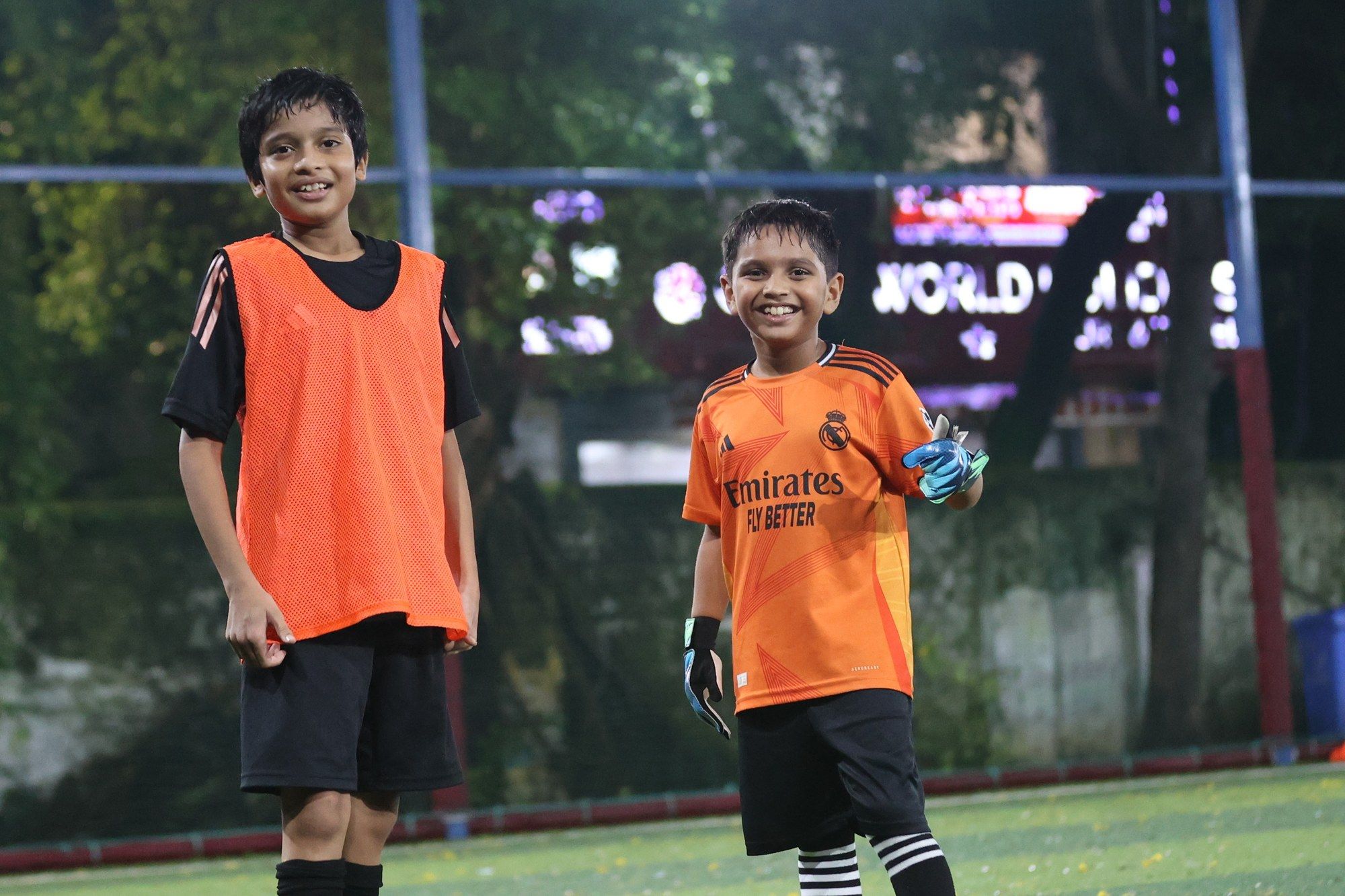
Watch a U5 session for five minutes and you’ll see a lot of falling over. Kids trip on the ball, run the wrong way and celebrate goals that went into their own net. Parents sometimes ask me when the “real football” starts. The honest answer is that this is it.
What a five-year-old is actually learning
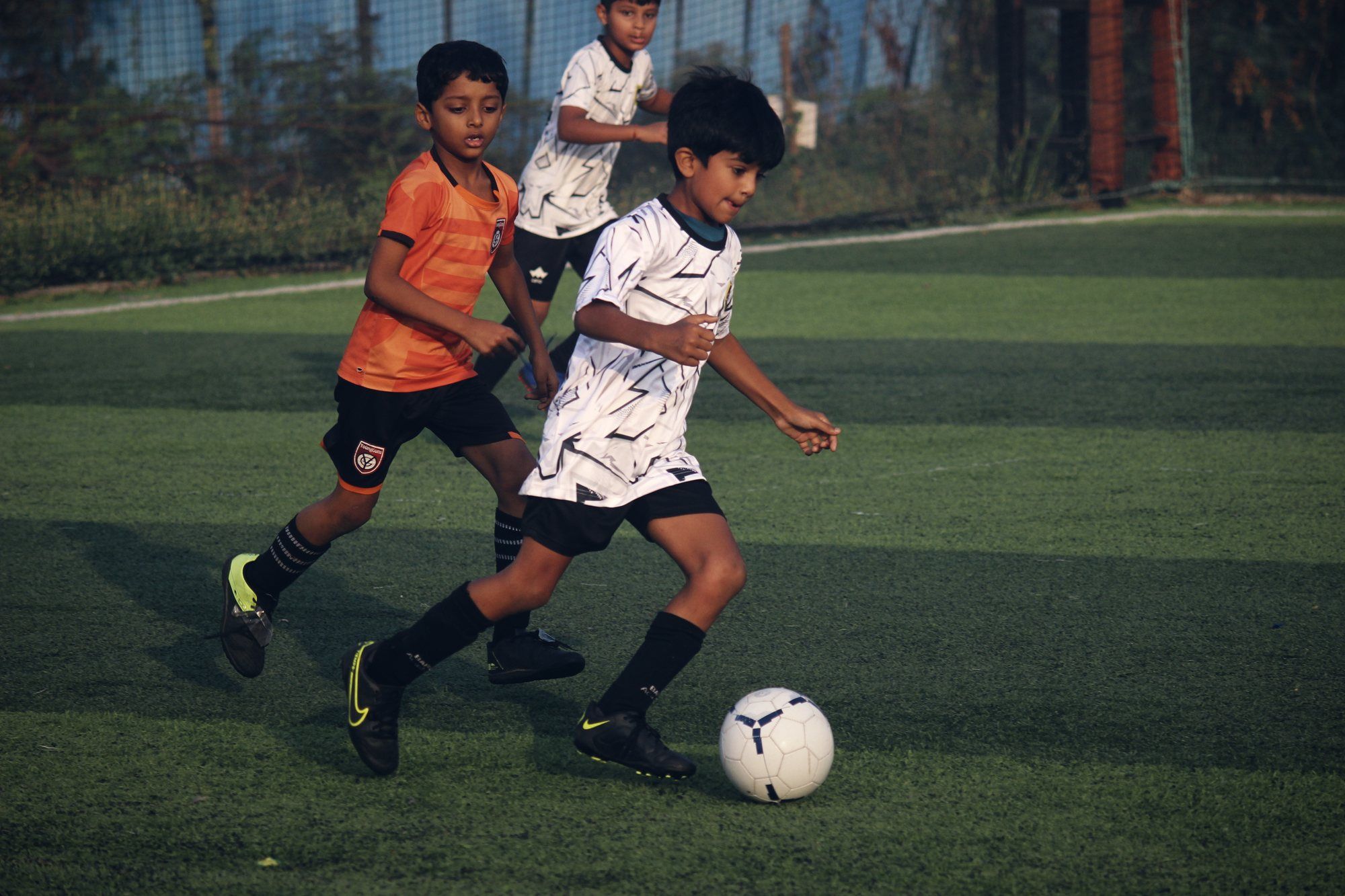
At this age the ball is almost a distraction. What they’re really working on is balance, coordination, and how to stop and start without falling over. Coaches call these motor skills. I call them the stuff everything else gets built on.
A child who can hop on one foot, turn without wobbling and stop a rolling ball has already done most of the hard work for passing, dribbling and shooting. A child who can’t will struggle with all three, however many drills you give them.
Why we don’t do drills with the little ones
A line of kids waiting to dribble through cones looks organised. It isn’t much use. Each child touches the ball a handful of times in 10 minutes and spends the rest of it poking the kid in front.
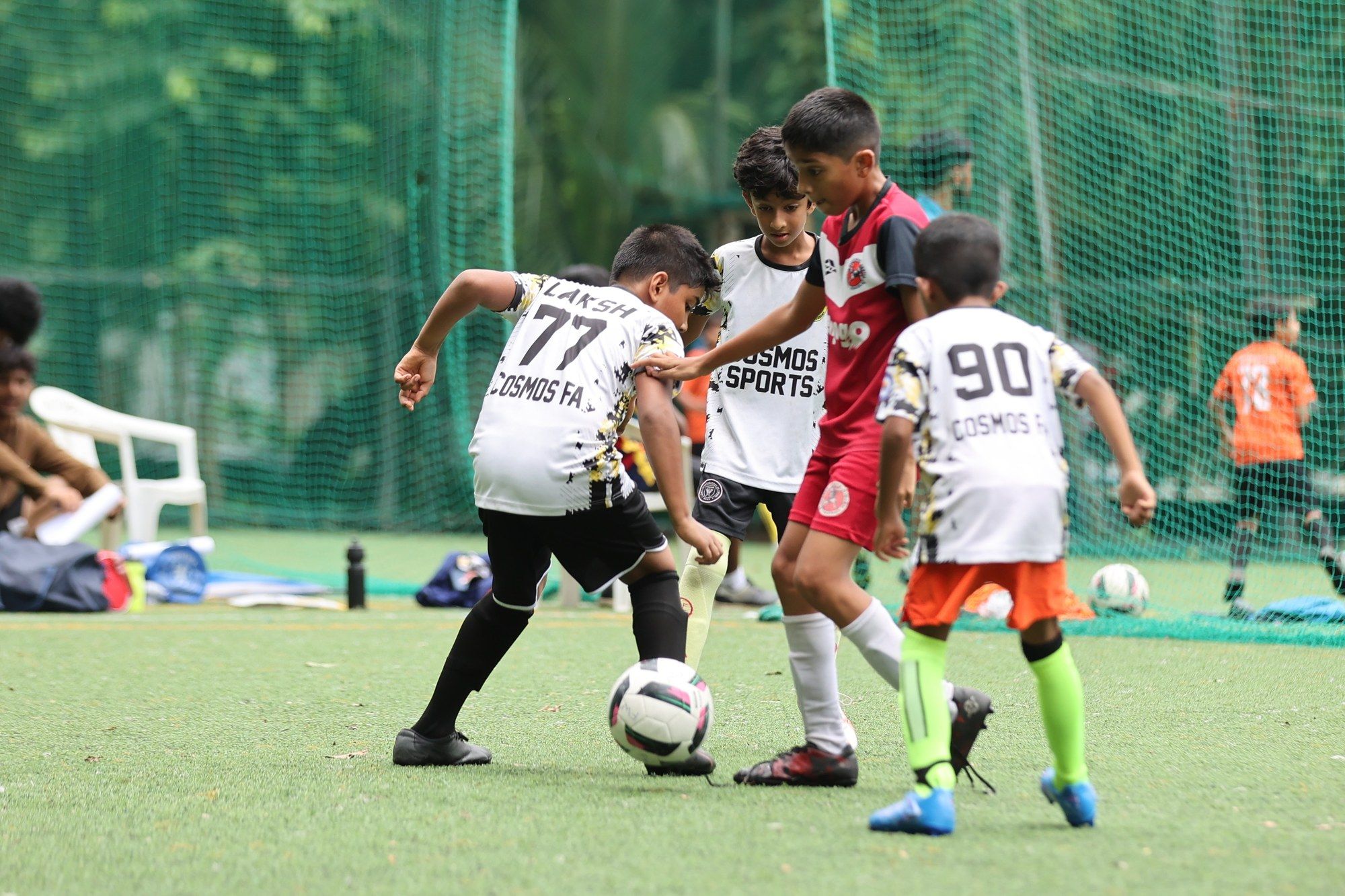
So our sessions for kids run on small-sided games. Two or three a side, small pitches, plenty of balls. Every child gets touches, every child has to make decisions, and nobody stands still long enough to get bored.
Confidence is a skill too
The first time a kid dribbles past a coach, you can see it on their face. That moment matters more than whether the dribble was any good. Kids who feel capable keep trying. Kids who feel judged stop putting their hand up.
We praise effort out loud and fix technique quietly.
Mistakes are part of the game, and at five years old they’re most of it.
How it pays off later
Players who build good movement early move up to youth football more easily. They pick up new techniques faster because their bodies already know how to balance, turn and change speed. When we start talking about positions at U11, they’re ready for it.
The ones who skipped this stage usually have to come back to it, and it’s harder at 12 than at six.
What you can do at home
You don’t need cones or a pitch. Kick a ball around the building compound. Play catch. Race to the gate and back. Let them climb things. If they’re moving and laughing, it counts as training.
Football at five should feel like play, because for a five-year-old, play is how learning happens. Tactics can wait.