Why 3v3 beats 11v11 for under-9s
A full-size match looks like real football. For a seven-year-old, it mostly means standing around. Here's why we shrink the game.
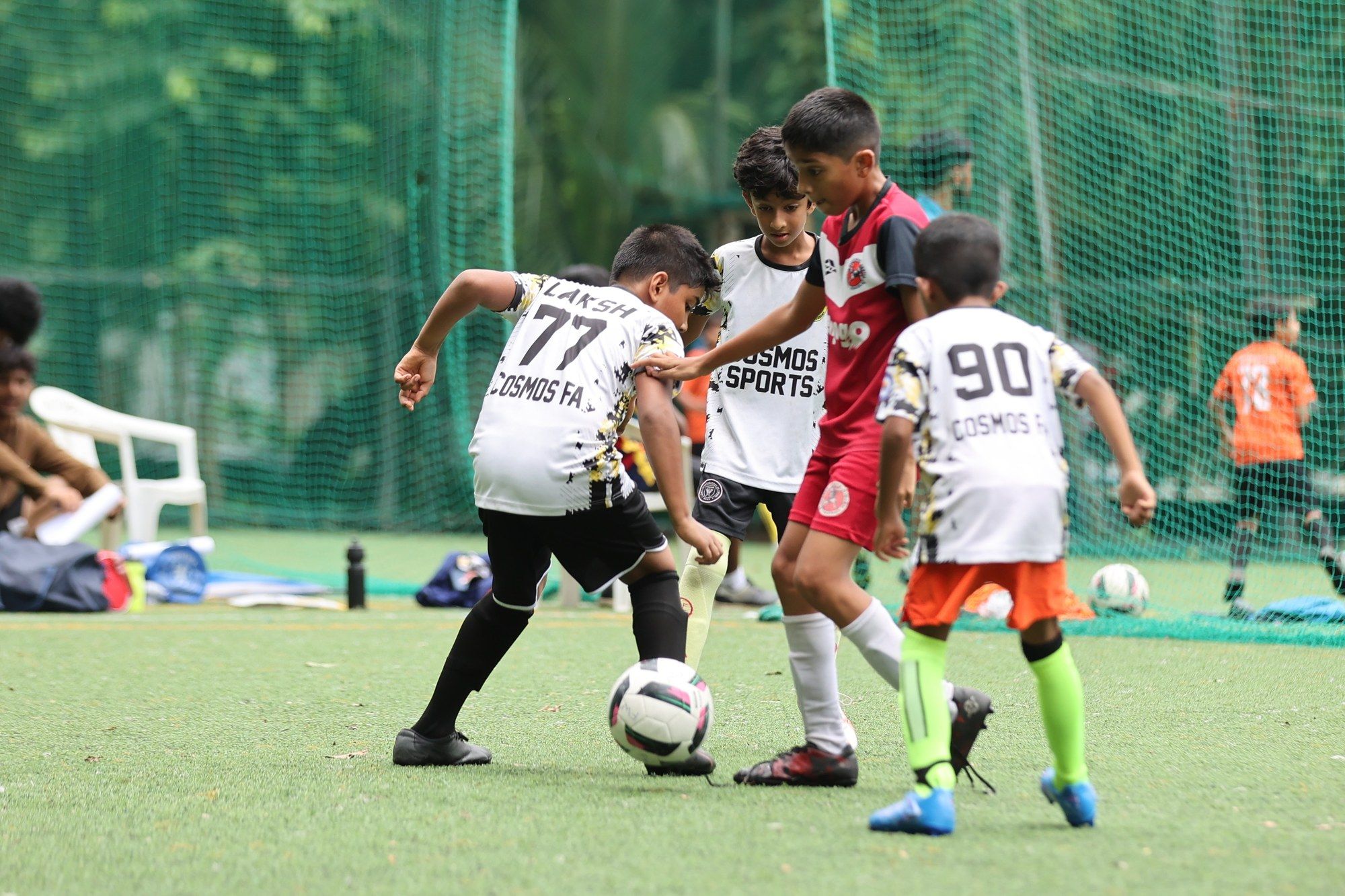
Put 22 seven-year-olds on a big pitch and watch one child for five minutes. Count how many times they touch the ball. I’ve done it more times than I can remember, and the answer is usually somewhere between zero and three.
That’s the whole argument, really. But parents ask about it a lot, so here’s the longer version.
Touches are how kids learn
A young player learns football the way they learned to walk: by doing it badly hundreds of times until they don’t. Every touch of the ball is a tiny lesson in control, balance and timing.
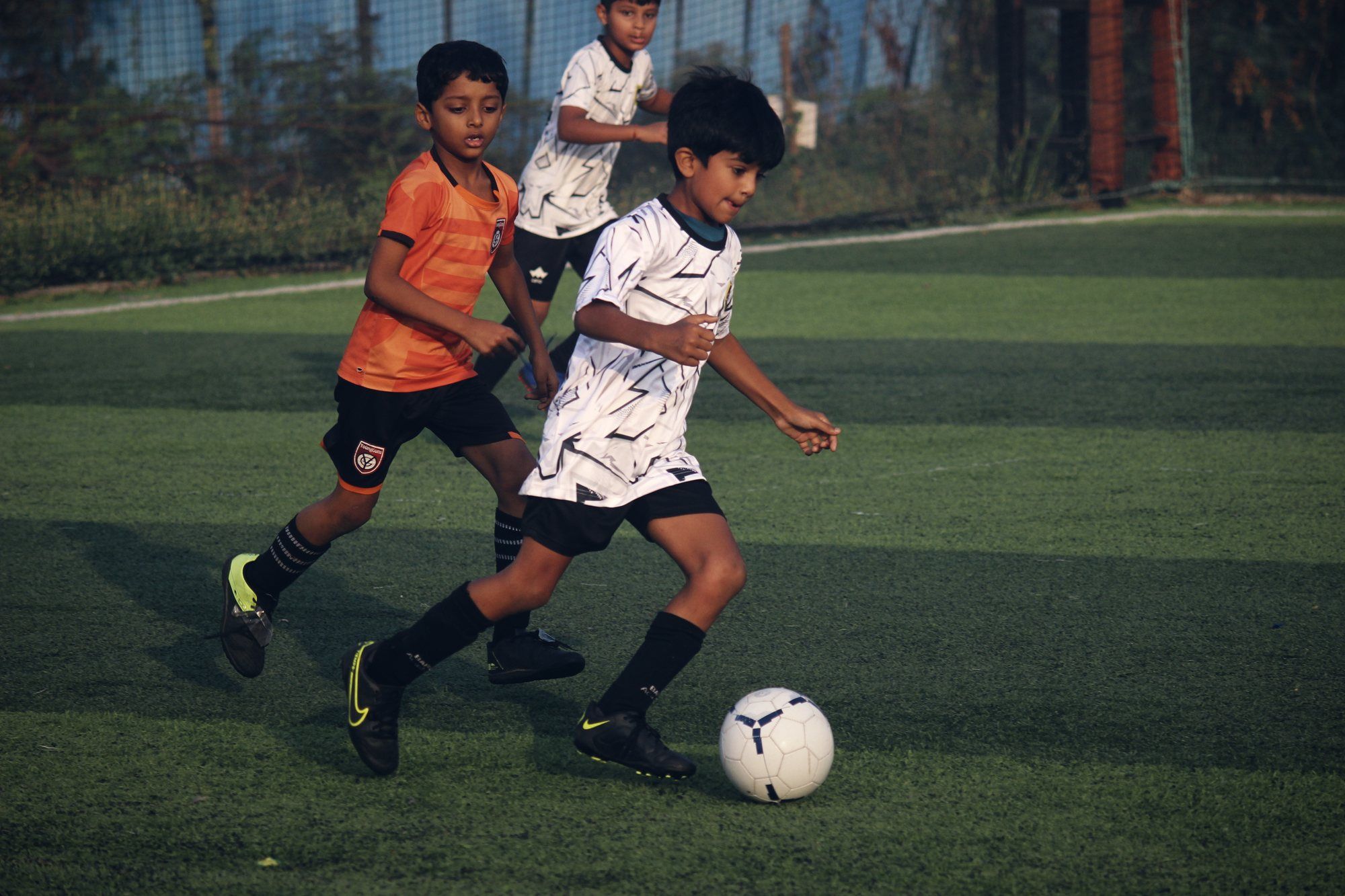
In a 3v3 game on a small pitch, a child might touch the ball 50 or 60 times in a session. In a big match, they’ll spend most of the game running after the crowd around the ball, or waiting at the back for something to happen. One of those is practice. The other one is cardio.
Small games make kids decide
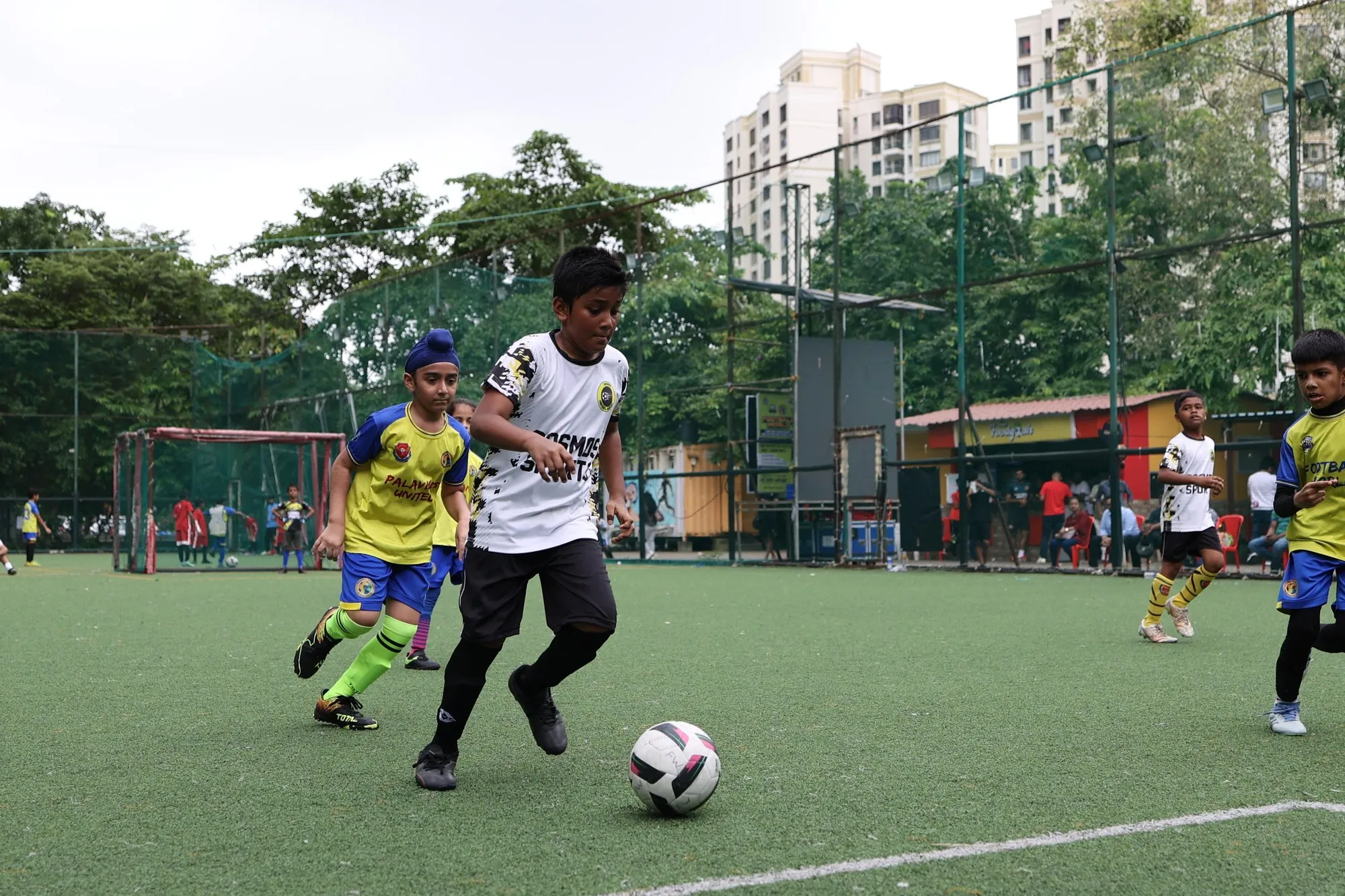
With six players on the pitch, every child is always involved. The ball comes to them, and they have to choose. Dribble or pass. Shoot or wait. Go left or right.
Those decisions are the real skill in football, and you only get good at them by making lots of them. In a big game, the confident kid at the front makes most of the choices for everyone else. In a small one, even the quiet kid at the back has to decide, every minute.
Nobody can hide
That sounds harsh, but it’s the kind part. In 11v11, the shy kid drifts out to the wing and the game forgets them. In 3v3 they can’t drift anywhere. Their team needs them, and the other kids notice when they help.
I’ve seen plenty of children go from scared of the ball to calling for it in a few weeks, just because the game was small enough that they were always part of it.
Do they ever play proper matches?
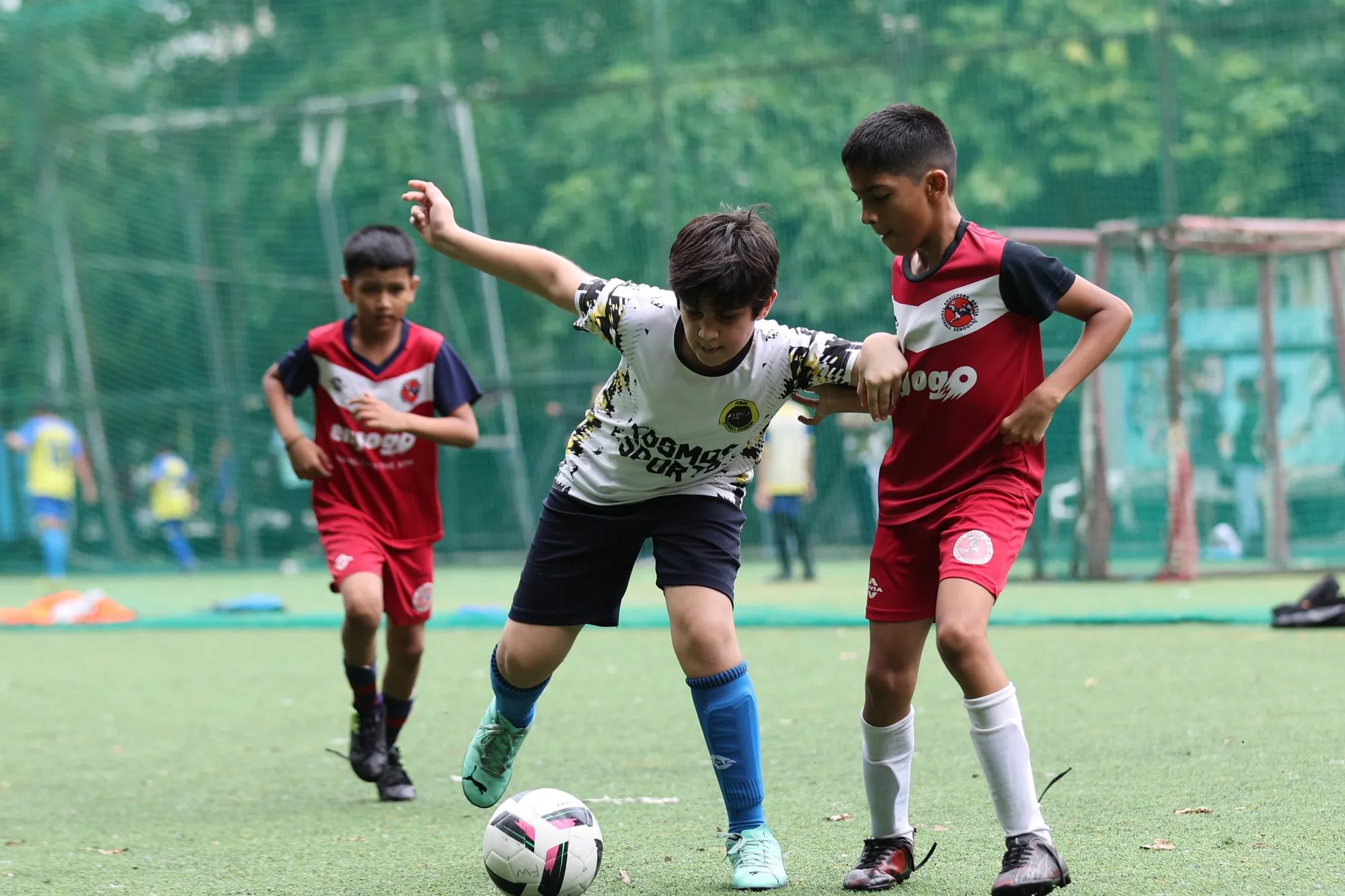
Yes. Our kids play tournaments and leagues too, with pitch sizes set for their age group. Match days are great fun and they learn a lot from them.
But the bulk of their week is small games, because that’s where most of the learning happens. Once they’re older, have more touches in their feet and understand space, we bring in bigger formats and positions. By then they’re ready for it.
What you can do
If your child plays with friends in the society compound, keep the teams small. Two or three a side, two jumpers for goals, and a pitch you can walk across in 20 steps. Let them play without stopping the game to coach them.
It won’t look like football on TV. That’s fine. It’ll look like a lot of kids having a lot of goes, which is exactly how they get better.